



Hair Loss Treatments Coming Soon!

Facelift Surgery

A facelift, or rhytidectomy, is one of the most effective surgical procedures for restoring a youthful appearance by addressing the visible signs of facial aging. At Lickstein Plastic Surgery, serving patients throughout Palm Beach Gardens, Jupiter, and the surrounding South Florida communities, Dr. David Lickstein specializes in advanced facelift techniques that deliver natural-looking results with exceptional longevity.

As facial aging progresses, gravity, sun exposure, and the natural loss of skin elasticity cause the skin and underlying facial structures to descend. This creates common concerns including jowls, sagging skin, deep nasolabial folds, and loss of jawline definition. A facelift addresses these concerns by repositioning the deeper facial structures, including the SMAS (Superficial Musculoaponeurotic System), to restore youthful contours and facial harmony.

Dr. Lickstein’s Harvard Medical School training and board certification from the American Board of Plastic Surgery inform his meticulous surgical approach, which consistently delivers naturally refreshed outcomes, never overdone. His recognition as a Newsweek Top 100 Facelift Surgeon reflects this commitment to excellence and natural-looking results. Whether you’re considering your first facelift or exploring options for facial rejuvenation in Palm Beach Gardens or Jupiter, this comprehensive guide will help you understand the procedure, recovery process, and what to expect.

column image

Understanding Facelift Surgery

A facelift is a surgical procedure designed to lift and tighten the skin and underlying facial structures to correct signs of aging. Unlike non-surgical treatments such as BOTOX®, dermal fillers, or laser resurfacing, which address specific concerns on the skin’s surface, a facelift repositions the deeper anatomical layers of the face and neck to create a more comprehensive rejuvenation.1

The procedure is particularly effective for patients experiencing:

  • Jowls or loss of jawline definition
  • Sagging skin on the cheeks and midface
  • Deep nasolabial folds (lines running from the nose to the corners of the mouth)
  • Loose skin on the neck or platysma banding (vertical bands in the neck)
  • Loss of facial volume and skin elasticity
  • A tired or aged appearance despite good overall health

Facelifts are customizable procedures. Dr. Lickstein tailors each surgery to address the patient’s specific concerns, whether that involves lifting the lower face and neck, repositioning the midface, or a comprehensive full facelift that addresses the entire face and neck as an integrated unit.

Types of Facelift Procedures

Full Facelift

This procedure involves lifting and tightening the SMAS layer (also known as the superficial muscular aponeurotic system), which lies beneath the skin and contains the facial muscles and connective tissue. By repositioning this deeper layer, the surgeon achieves longer-lasting results than skin-only lifts, with natural contours that don't appear pulled or windswept.

The SMAS facelift is ideal for patients with moderate to significant facial aging, jowls, and loss of jawline definition. Results typically last 7 to 10 years or longer, depending on individual factors such as genetics, sun exposure, and skincare habits.

Dr. Lickstein consistently delivers comprehensive, natural-looking, and long-lasting results, as reflected in his recognition as a Newsweek Top 100 Facelift Surgeon for five consecutive years.

Mini Facelift (Limited Incision Facelift)

A mini facelift, also called a limited incision facelift or weekend facelift, is a less invasive option designed for patients with mild to moderate aging signs and good skin elasticity. This procedure uses smaller incisions, typically placed at the temples and behind the ears, and addresses primarily the lower face and jawline.

While recovery is faster and incisions are smaller, the results of a mini facelift are more modest than a full facelift and may not last as long. A mini facelift is an excellent option for patients in their 40s and early 50s with early signs of jowling or those seeking a subtle refresh.

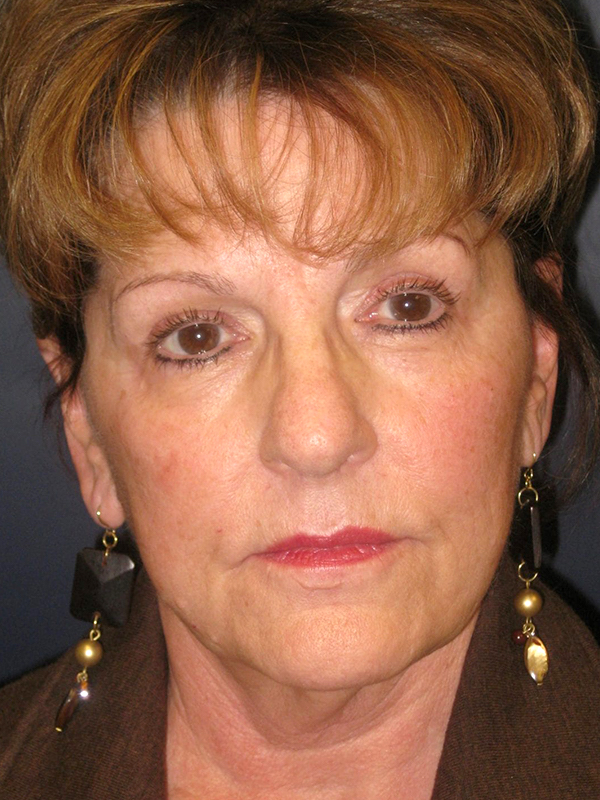
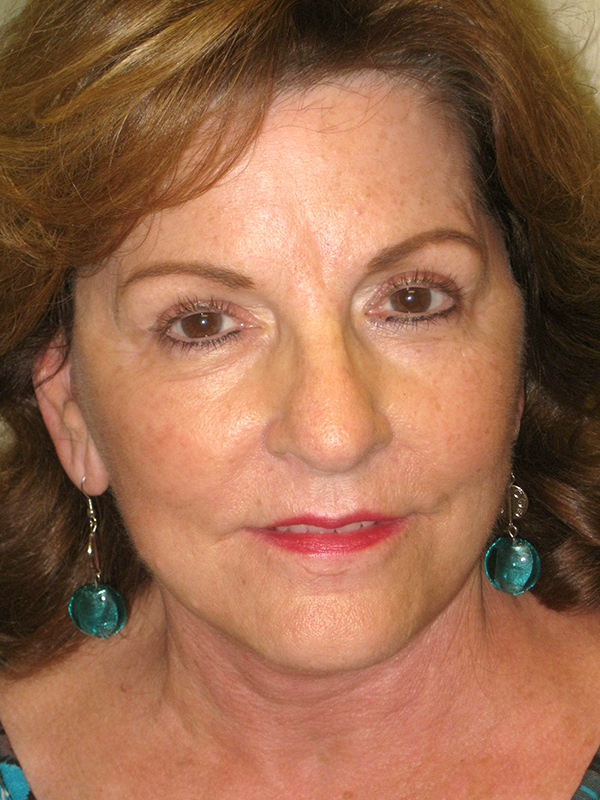
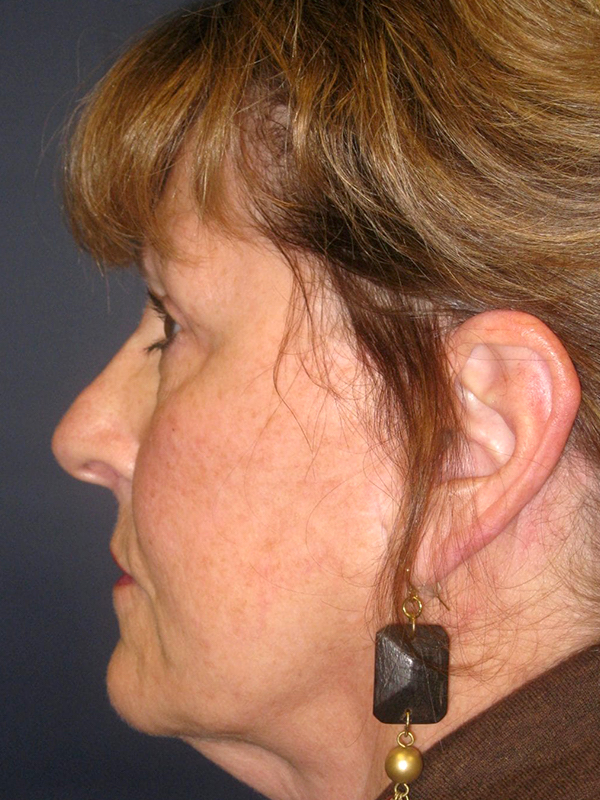
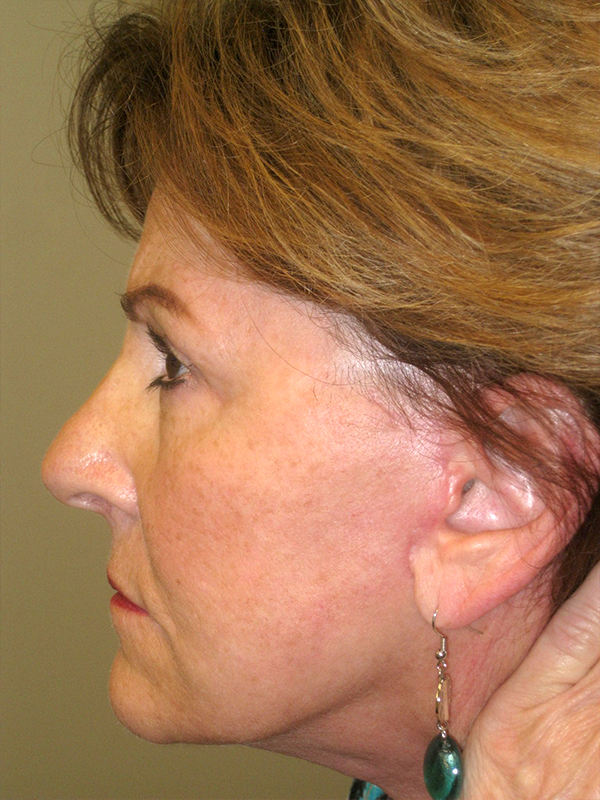
Before & After

A standard of excellence recognized year after year by patients, the community, physician peers, and professional societies. The natural results speak for themselves.

Why Choose Dr. Lickstein for Your Facelift

Dr. David Lickstein, MD, FACS: Board-CertifiedFacial Plastic Surgeon

Dr. David Lickstein brings exceptional credentials, extensive experience, and a patient-centered philosophy to facelift surgery. A graduate of Harvard Medical School and fellowship-trained in plastic and reconstructive surgery at Massachusetts General Hospital, Dr. Lickstein is board-certified by the American Board of Plastic Surgery, the gold standard credential in the field.

Professional Recognition and Leadership:

Dr. Lickstein’s recognition as a Newsweek Top 100 Facelift Surgeon for five consecutive years (2021-2025) reflects his commitment to excellence and natural-looking outcomes. This prestigious designation places him among the nation’s most accomplished facelift surgeons, recognized for both technical skill and patient satisfaction.
Additionally, Dr. Lickstein served as Chief of Surgery at Jupiter Medical Center, a leadership role that underscores his expertise, clinical judgment, and standing within the medical community. His appointment to this position reflects the trust and respect of his peers and demonstrates his commitment to advancing surgical care and training the next generation of surgeons.
Dr. Lickstein is also recognized as a Castle Connolly Top Doctor, an honor bestowed on physicians who demonstrate exceptional clinical expertise and patient care. He maintains active membership in the American Society of Plastic Surgeons (ASPS) and the American College of Surgeons (ACS), professional organizations that require ongoing continuing education and adherence to the highest standards of surgical practice.

Surgical Philosophy and Approach:

Dr. Lickstein’s surgical philosophy prioritizes three core principles:

  • Natural Results: Every facelift is customized to enhance the patient’s natural features without creating an overdone or artificial appearance. Dr. Lickstein avoids the “pulled” look by using advanced techniques that respect facial anatomy and proportions. As Dr. Lickstein often tells his patients, “A great facelift should make people wonder if you’ve had work done, not announce it to the world.” This philosophy guides every procedure performed at Lickstein Plastic Surgery.
  • Comprehensive Rejuvenation: Rather than addressing isolated concerns, Dr. Lickstein evaluates the entire face and neck to create harmonious, balanced results. This integrated approach often involves combining facelift surgery with complementary procedures such as eyelid surgery, brow lift, or neck liposuction to achieve optimal facial harmony.
  • Patient Safety and Comfort: Dr. Lickstein prioritizes patient safety through meticulous surgical technique, appropriate anesthesia management, and detailed post-operative care protocols. His patients consistently report feeling supported throughout their surgical journey, from the initial consultation through final results.

column image

Am I a Good Candidate for a Facelift?

Ideal facelift candidates share several characteristics:

Age: While facelifts are most commonly performed on patients between 40 and 70 years old, the right age for surgery depends on individual factors rather than a specific number. Some patients in their late 30s may benefit from a mini facelift, while others in their 80s may be excellent candidates for a full facelift if they are in good health.

Skin Quality and Elasticity: Patients with good skin elasticity tend to achieve the best results. However, Dr. Lickstein can customize the procedure for patients with varying degrees of skin laxity, adjusting the technique to optimize outcomes.

Overall Health: Facelift surgery requires general anesthesia or IV sedation, so candidates should be in good overall health without uncontrolled medical conditions. Patients should disclose all medications and medical history during the consultation.

Realistic Expectations: The best facelift candidates understand that surgery will improve their appearance but won’t create a completely different face or stop the aging process. A facelift typically takes 7 to 10 years off the appearance, and results continue to improve subtly over the first year as swelling resolves.

Non-Smoker Status: Smoking significantly impairs healing and increases the risk of complications. Patients are required to quit smoking at least two weeks before surgery and avoid nicotine products for at least two weeks after surgery.

Commitment to Recovery: Facelift recovery requires patience and adherence to post-operative instructions. Candidates should be prepared to take time off work (typically 1 to 2 weeks for initial recovery) and avoid strenuous activity for several weeks.2

Patients who are not candidates for traditional facelift surgery may benefit from the Lickstein Lift, an innovative facial rejuvenation technique that combines skin treatments, dermal fillers, and advanced laser resurfacing (such as Halo laser) for comprehensive results. The Lickstein Lift is designed for patients with mild to moderate aging concerns who may not require the extent of lifting provided by a full facelift, or for those with specific health considerations that make traditional facelift surgery less suitable.

During your consultation, Dr. Lickstein will assess your concerns, evaluate your candidacy for facelift surgery, and recommend the most appropriate treatment plan, whether that involves traditional facelift surgery, the Lickstein Lift, or a customized combination approach.

The Facelift Procedure: What to Expect

Pre-Operative Preparation

Before your facelift surgery, you’ll have a detailed consultation with Dr. Lickstein to discuss your goals, review your medical history, and plan your procedure. Pre-operative instructions typically include:

  • Discontinuing certain medications and supplements that increase bleeding risk (such as aspirin, ibuprofen, and vitamin E) one to two weeks before surgery
  • Avoiding smoking and nicotine products
  • Arranging for a responsible adult to drive you home and stay with you for the first 24 hours
  • Fasting after midnight the night before surgery
  • Wearing comfortable, loose-fitting clothing on the day of surgery

Anesthesia and Safety Protocols

General anesthesia provides complete unconsciousness, allowing Dr. Lickstein to perform the detailed, multi-hour facelift procedure safely and precisely. An anesthesiologist remains present throughout surgery to monitor your vital signs, manage your airway, and adjust anesthesia levels as needed.

Dr. Lickstein and his anesthesia team will discuss anesthesia details and address any concerns during your pre-operative consultation. All anesthesia carries inherent risks, which will be thoroughly discussed during your consultation.

The Surgical Procedure

Facelift surgery typically takes 2 to 3 hours, depending on the extent of the procedure and whether additional procedures are being performed. Here’s what happens during a typical facelift:

Incision Placement: Dr. Lickstein places incisions strategically to minimize visibility. Typical incision locations include:

  • In the hairline at the temples
  • In front of the ear, following the natural contours
  • Behind the ear and extending into the lower scalp

These incision placements allow Dr. Lickstein to access the deeper facial structures while keeping scars well-concealed within the hairline and natural skin creases. For patients with male pattern baldness or receding hairlines, Dr. Lickstein adjusts incision placement to account for future hair loss and maintain natural appearance.

Tissue Elevation and Repositioning: Dr. Lickstein carefully elevates the skin and underlying tissues, then repositions the SMAS layer to lift and tighten the face and neck. Excess skin is trimmed, and the remaining skin is redraped over the lifted structures.

Closure: Incisions are closed with fine sutures, and a drain may be placed to prevent fluid accumulation. The drain is typically removed within 24 to 48 hours.

Post-Operative Care and Support

Dr. Lickstein’s comprehensive post-operative care protocol ensures optimal healing and results. Patients receive detailed written instructions covering:

  • Drain care and removal
  • Incision care and when sutures will be removed
  • Pain management and prescribed medications
  • Activity restrictions and when to resume normal activities
  • Signs of complications and when to contact the office
  • Follow-up appointment schedule

Dr. Lickstein’s office provides ongoing support throughout recovery, with scheduled follow-up appointments at regular intervals to monitor healing and address any concerns. Patients have direct access to the surgical team for questions or concerns that arise during recovery.

Recovery Timeline and Expectations

Facelift recovery is a gradual process. Here’s what to expect during each phase:

Week 1: Initial Recovery

  • Swelling and bruising peak around days 2 to 3, then gradually improve
  • You may experience mild to moderate discomfort, managed with prescribed pain medication
  • Sutures are typically removed 5 to 7 days after surgery
  • You should rest with your head elevated to minimize swelling
  • Avoid strenuous activity, heavy lifting, and bending over
  • Most patients can return to light activities such as walking

Weeks 2 to 3: Early Healing

  • Swelling and bruising continue to improve, though some may persist
  • You can typically return to work if your job doesn’t involve strenuous activity
  • Avoid exercise, swimming, and activities that elevate your heart rate
  • Continue to sleep with your head elevated
  • Most people feel comfortable going out in public by the end of week 2, though some residual swelling may be visible

Weeks 4 to 6: Progressive Improvement

  • Most visible swelling has resolved, though subtle swelling may persist
  • You can gradually resume normal activities, including light exercise
  • By week 6, most patients can return to full exercise and strenuous activity
  • Results continue to improve as residual swelling resolves

Months 2 to 12: Final Results

  • Final results continue to emerge as swelling completely resolves and scars mature
  • Scars fade significantly over the first 6 to 12 months
  • By 3 to 6 months, most patients see their final results
  • Results continue to refine subtly through the first year

According to research published in peer-reviewed surgical literature, most patients can return to normal activities within 2 to 3 weeks and resume full exercise within 4 to 6 weeks following facelift surgery.

column image

Facelift Results and Longevity

One of the primary advantages of facelift surgery is the longevity of results. A well-performed facelift typically provides 7 to 10 years of improvement, with some patients enjoying results for 15 years or longer, depending on the technique used and individual factors.

Factors Affecting Longevity:

  • Surgical Technique: The extent of the procedure and the anatomical layers addressed influence how long-lasting results will be, which Dr. Lickstein will discuss with you during your consultation.
  • Genetics: Your genetic predisposition to aging influences how long results last
  • Sun Exposure: Chronic sun exposure accelerates skin aging and may shorten the longevity of results
  • Skincare: A consistent skincare routine with sunscreen helps preserve results
  • Lifestyle Factors: Smoking, poor diet, and stress can accelerate aging and reduce the longevity of facelift results

Maintaining Your Results:
While a facelift addresses the deeper structures of the face, the skin continues to age naturally. Many patients maintain their results through complementary treatments such as:

  • BOTOX: Prevents new wrinkles from forming and maintains the smoothness of the forehead, brows, and around the eyes
  • Dermal Fillers: Restore volume to the cheeks and lips, enhancing the results of the facelift
  • Laser Resurfacing or Microneedling: Improve skin texture and address fine lines on the skin’s surface
  • Consistent Skincare: Daily sunscreen, moisturizer, and retinoids help maintain skin health and appearance

Facelift vs. Non-Surgical Alternatives

For patients considering facial rejuvenation, it’s important to understand how facelift surgery compares to non-surgical options.

Facelift vs. BOTOX and Fillers

BOTOX and dermal fillers are excellent non-surgical options for addressing specific concerns such as forehead wrinkles, crow’s feet, and volume loss. However, they do not address sagging skin, jowls, or loss of jawline definition. A facelift is the most effective option for patients with significant skin laxity or jowling.

Many patients combine facelift surgery with BOTOX and fillers for comprehensive rejuvenation. BOTOX can be used to prevent new wrinkles from forming, while fillers restore volume and enhance the results of the facelift.

Facelift vs. Laser Resurfacing and Microneedling

Laser resurfacing and microneedling improve skin texture, reduce fine lines, and stimulate collagen production. However, like BOTOX and fillers, they do not address sagging skin or jowls. These treatments are ideal for patients with good skin elasticity who are concerned primarily with skin texture and fine lines.

Facelift vs. The Lickstein Lift:

For patients with mild to moderate aging concerns who want more comprehensive results than non-surgical treatments but may not require the extent of lifting provided by a traditional facelift, the Lickstein Lift offers an innovative alternative. This advanced treatment combines skin treatments, dermal fillers, and Halo laser resurfacing to address multiple signs of aging simultaneously. The Lickstein Lift is ideal for patients seeking significant improvement without the recovery time and surgical commitment of a full facelift.

Facelift vs. Thread Lifts

Thread lifts are a minimally invasive option that uses dissolvable threads to lift the skin. While thread lifts require minimal downtime, results are modest and temporary, typically lasting 6 to 12 months. A facelift provides more dramatic and longer-lasting results for patients with significant facial aging.

Facelift for Men

Men represent an increasing percentage of facelift patients. A male facelift requires specialized surgical planning to maintain masculine facial features while addressing signs of aging.

Key considerations for male facelifts include:

  • Hairline Preservation: Incision placement must account for male pattern baldness and preserve the natural hairline
  • Jaw and Chin Definition: Men typically prefer enhanced jawline and chin definition, which Dr. Lickstein achieves through careful tissue repositioning
  • Natural Appearance: A male facelift should look natural and not create a feminine appearance
  • Facial Hair: Patients with facial hair should discuss grooming considerations with Dr. Lickstein, as incision placement may affect beard growth patterns

Dr. Lickstein has extensive experience performing facelifts on male patients and understands the unique anatomical and aesthetic considerations involved.

Facelift Risks and Complications

Like all surgical procedures, facelift surgery carries potential risks and complications. However, serious complications are uncommon when the procedure is performed by a board-certified plastic surgeon in an accredited surgical facility.

Potential Risks Include:

  • Infection: Rare, occurring in less than 1% of cases, and managed with antibiotics if it occurs
  • Bleeding or Hematoma: Fluid or blood collection under the skin, which may require drainage. Occurs in approximately 1-2% of facelift patients
  • Nerve Injury: Temporary or permanent numbness or weakness in the face or neck. Temporary nerve injury occurs in 5-10% of patients and typically resolves within weeks to months. Permanent nerve injury is rare, occurring in less than 1% of cases
  • Scarring: Scars fade significantly over time but may be visible in some patients. Proper incision placement and closure techniques minimize scarring
  • Asymmetry: Minor asymmetries may occur and can usually be refined with a minor revision
  • Skin Necrosis: Rare loss of skin viability, more common in smokers and patients with compromised circulation3

According to the American Society of Plastic Surgeons, serious complications from facelift surgery are uncommon when performed by board-certified surgeons in accredited facilities. Dr. Lickstein minimizes risks through meticulous surgical technique, appropriate patient selection, and detailed post-operative care instructions.

Managing Complications:
Should any complications arise, Dr. Lickstein’s office provides prompt evaluation and treatment. Minor complications such as temporary swelling or bruising are managed conservatively. More significant complications are addressed with appropriate medical or surgical intervention.

Revision and Touch-Up Facelifts

Some patients may desire revision surgery to refine results or address concerns that emerge during healing. Dr. Lickstein offers revision facelift procedures for patients who wish to enhance their results or address asymmetries or other concerns.

Revision facelifts require specialized surgical planning, as scar tissue from the initial procedure must be managed carefully. Dr. Lickstein’s experience with revision cases ensures optimal outcomes while minimizing additional scarring.

Frequently Asked Questions

icon q

How much pain will I experience after facelift surgery?

Most patients experience mild to moderate discomfort rather than severe pain. Pain is typically well-controlled with prescribed pain medication for the first few days. By the end of the first week, most patients require only over-the-counter pain relief. Numbness and tightness are common sensations during recovery but are not painful.

icon q

Will my facelift scars be visible?

Facelift incisions are placed strategically within the hairline and natural skin creases to minimize visibility. Scars fade significantly over the first 6 to 12 months and become increasingly inconspicuous. Most patients find that scars are not noticeable, especially when hair covers the incision areas. Proper scar care, including sun protection and moisturization, helps optimize scar appearance.

icon q

How long do facelift results last?

Results typically last 7 to 10 years or longer, depending on the surgical technique, genetics, sun exposure, and lifestyle factors. Some patients enjoy results for 15 years or more. While a facelift doesn't stop the aging process, it does turn back the clock significantly.

icon q

Can I combine a facelift with other procedures?

Yes, many patients combine facelift surgery with complementary procedures such as eyelid surgery (blepharoplasty) and brow lift to achieve comprehensive facial rejuvenation. These procedures work synergistically with a facelift to address the entire face and create balanced, harmonious results. Combining procedures can enhance overall facial harmony and may reduce total recovery time compared to having procedures performed separately. During your consultation, Dr. Lickstein will recommend the most appropriate combination of procedures to achieve your aesthetic goals.

icon q

When should I consider a facelift?

The right time for a facelift is when you notice signs of facial aging that concern you and when you're ready to address them surgically. Most patients are between 40 and 70 years old, but age is less important than your individual aging pattern and aesthetic goals. During your consultation, Dr. Lickstein will assess whether a facelift is appropriate for you or if other treatments might be more suitable.

icon q

What is the difference between a facelift and a neck lift?

A facelift primarily addresses the lower face and jawline, while a neck lift focuses on the neck and cervicomental angle. Many patients benefit from a combined facelift and neck lift procedure, which addresses both areas as an integrated unit. Dr. Lickstein will assess your specific concerns and recommend the most appropriate procedure during your consultation.

icon q

How much does a facelift cost?

Facelift cost varies based on the technique used, the complexity of your procedure, and whether additional treatments are performed at the same time. Because Dr. David Lickstein customizes every facelift - whether mini or SMAS, pricing is tailored to your individual surgical plan.

Your detailed quote will be provided during your consultation and includes all surgical, anesthesia, and facility fees.

Flexible financing options are available for qualified patients.

icon q

Does insurance cover facelift surgery?

Facelift surgery is considered a cosmetic procedure and is not typically covered by insurance. However, if a facelift is performed in conjunction with a medically necessary procedure (such as eyelid surgery for vision obstruction), a portion of the cost may be covered. Dr. Lickstein's office can discuss financing options and payment plans to make facelift surgery accessible to patients.

Contact Us

If you’re considering facelift surgery in Palm Beach Gardens or Jupiter, we invite you to schedule a consultation with Dr. David Lickstein. During your consultation, Dr. Lickstein will assess your concerns, discuss your aesthetic goals, and recommend the most appropriate treatment plan.

Contact Lickstein Plastic Surgery to book your private consultation with Dr. David Lickstein. We serve patients throughout Palm Beach Gardens, Jupiter, and the surrounding South Florida communities.

We believe the best results are born from an in-depth discussion of patient goals, followed by a customized treatment plan.

Contact us to request a consultation

Contact Us
Footer Form
Preferred Method of Contact
Terms
*By checking this box you consent to receive phone calls, text messages and emails from Lickstein Plastic Surgery.

It is not a condition of purchasing any goods or services. You can opt out at any time, message/data rates may apply, and opting-in includes acceptance of the Privacy Policy and Terms of Use. Reply STOP to end.

*Please know that email communication via our website may not be done through a secure platform. Although it is unlikely, there is a possibility that information you include in your submission can be intercepted and read by parties other than the intended recipient. To protect your confidential information, please do not include personal identifying information such as your birth date or personal medical information in any emails or website submissions you send to us.

Trused Source Icon - Checkbox Sources

1 American Society of Plastic Surgeons. What is a facelift? Available: https://www.plasticsurgery.org/cosmetic-procedures/facelift. Accessed March 2, 2026.

2 American Society of Plastic Surgeons. Who is a good candidate for a facelift? Available: https://www.plasticsurgery.org/cosmetic-procedures/facelift/candidates. Accessed March 2, 2026.

3 Mayo Clinic. Facelift. Available: https://www.mayoclinic.org/tests-procedures/face-lift/about/pac-20394059. Accessed March 2, 2026.

The Doctors at Lickstein Plastic Surgery have either authored or reviewed and approved this content.
Page Updated: